Alert : The site is undergoing maintenance. Some functionality including sign-in may be impacted
Saturday, February 21, 3:00 pm through Tuesday, March 03, 9:00 pm (PST), 2026
Ordering can continue through fax and phone.
Contact us
Alert : The site is undergoing maintenance. Some functionality including sign-in may be impacted
Saturday, February 21, 3:00 pm through Tuesday, March 03, 9:00 pm (PST), 2026
Ordering can continue through fax and phone.
Contact usAlert : The site is undergoing maintenance. Some functionality including sign-in may be impacted
Saturday, February 21, 3:00 pm through Tuesday, March 03, 9:00 pm (PST), 2026
.Ordering can continue through fax and phone.
Contact usThis page has been recently translated and is available in French now.
Looks like you're visiting us from {countryName}. You’re currently on the {originCountryName} site. Do you want to switch to a different country site?
BD Biosciences flow cytometry instruments and reagents have been supporting the progress of research in several disciplines for over 45 years. Flow cytometry is a powerful technique that allows rapid analysis of multiple parameters of an individual cell. The combination of flow cytometry and the fluorophore-conjugated antibody binding technique has propelled research in several key areas, such as immunology, cell biology, stem cells, HIV and COVID-19. In addition to products, we also provide resources such as techniques, protocols and tools.
With multiparametric analysis, you are able to analyze a large number of immune cells, enumerate and characterize them, identify specific surface and intracellular markers of immune subtypes, and assess changes in immune cells after procedures. Explore innate and adaptive immune subsets and see how you can leverage the power of flow cytometry to analyze their biology and function. BD Biosciences offers several research cell sorters, cell analyzers and a comprehensive dye portfolio to support immunology research.
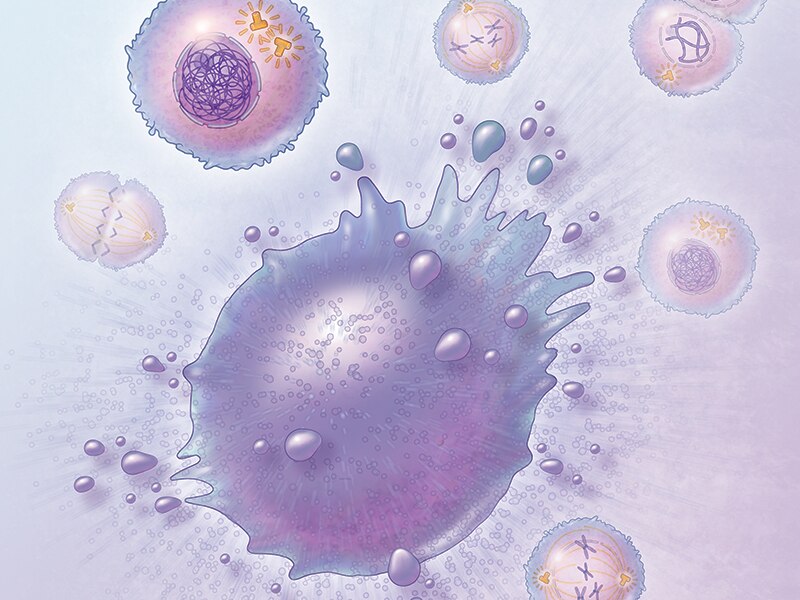
Cell division, proliferation and death are all guided by intracellular signals and transduction pathways. Techniques, such as flow cytometry, immunofluorescence or immunohistochemistry, can be used to determine the cell cycle status.1,2 Cell proliferation can be detected using fluorescent or nonfluorescent probes or measured using proliferation markers such as using bromodeoxyuridine (BrdU) incorporation. Apoptosis can be measured using a variety of techniques, such as annexin V staining or measurement of cleaved caspases. BD Biosciences offers a full range of detection tools and technologies for measuring cell cycle, proliferation and apoptosis.s.
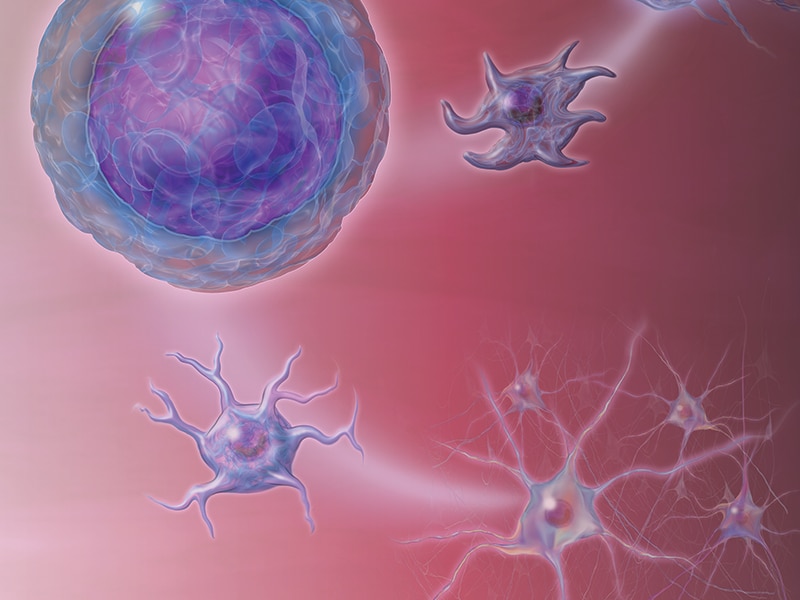
Flow cytometry is a powerful tool for monitoring the heterogeneity of subsets of cells based on established markers.3 Since stem cells differentiate into the three primary germ layers resulting in differentiated tissue, antibodies can monitor changing expression patterns as each stem cell differentiates. BD Biosciences offers a diverse set of tools including antibodies, kits and cocktails, buffers, protocols and instrumentation to support stem cell research in characterizing, analyzing and sorting heterogeneous stem cell populations.
HIV infection results in the activation of a series of immune responses, resulting ultimately in depletion of the CD4+ T cell population. Viral load monitoring and CD4 T cell counts are routinely used for HIV assessment.4 BD Biosciences offers flow cytometry research reagents that can be used in HIV research.
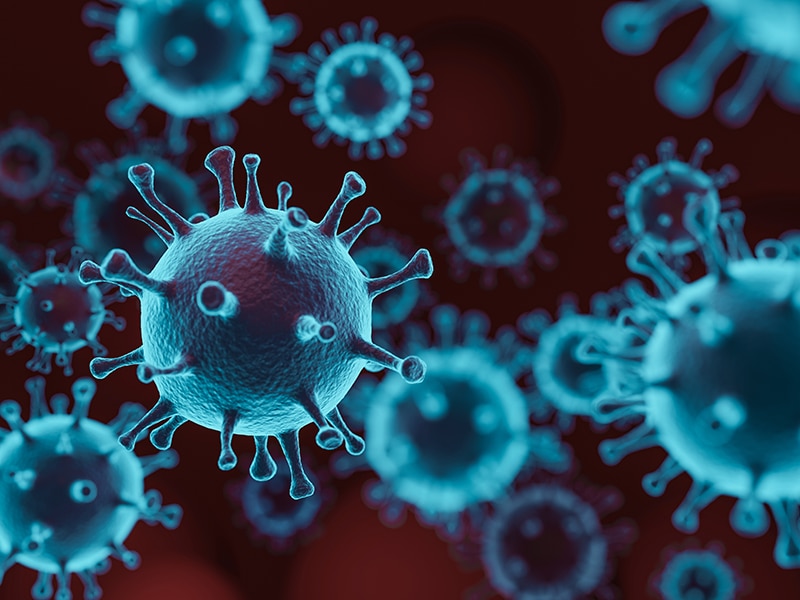
BD Biosciences provide a comprehensive portfolio of research tools to facilitate COVID-19 research on viral immune response, cytokine analysis, vaccine research, and biomarkers and therapeutics. Explore our reagent, instrument, and data analysis solutions as well as scientific resources and support for COVID-19 research.
Detection of antigens and CD markers can be achieved through a variety of applications, including flow cytometry, immunofluorescence, and immunohistochemistry. Learn more about our featured target antigens and CD markers, understand their biology, and see how our clones can be used in various flow cytometry and intracellular staining workflows to detect these targets.