Alert : The site is undergoing maintenance. Some functionality including sign-in may be impacted
Saturday, February 21, 3:00 pm through Tuesday, March 03, 9:00 pm (PST), 2026
Ordering can continue through fax and phone.
Contact us
Alert : The site is undergoing maintenance. Some functionality including sign-in may be impacted
Saturday, February 21, 3:00 pm through Tuesday, March 03, 9:00 pm (PST), 2026
Ordering can continue through fax and phone.
Contact usAlert : The site is undergoing maintenance. Some functionality including sign-in may be impacted
Saturday, February 21, 3:00 pm through Tuesday, March 03, 9:00 pm (PST), 2026
.Ordering can continue through fax and phone.
Contact usThis page has been recently translated and is available in French now.
Looks like you're visiting us from {countryName}. You’re currently on the {originCountryName} site. Do you want to switch to a different country site?
Intended as an aid in the diagnosis of multiple myeloma and other plasma cell disorders
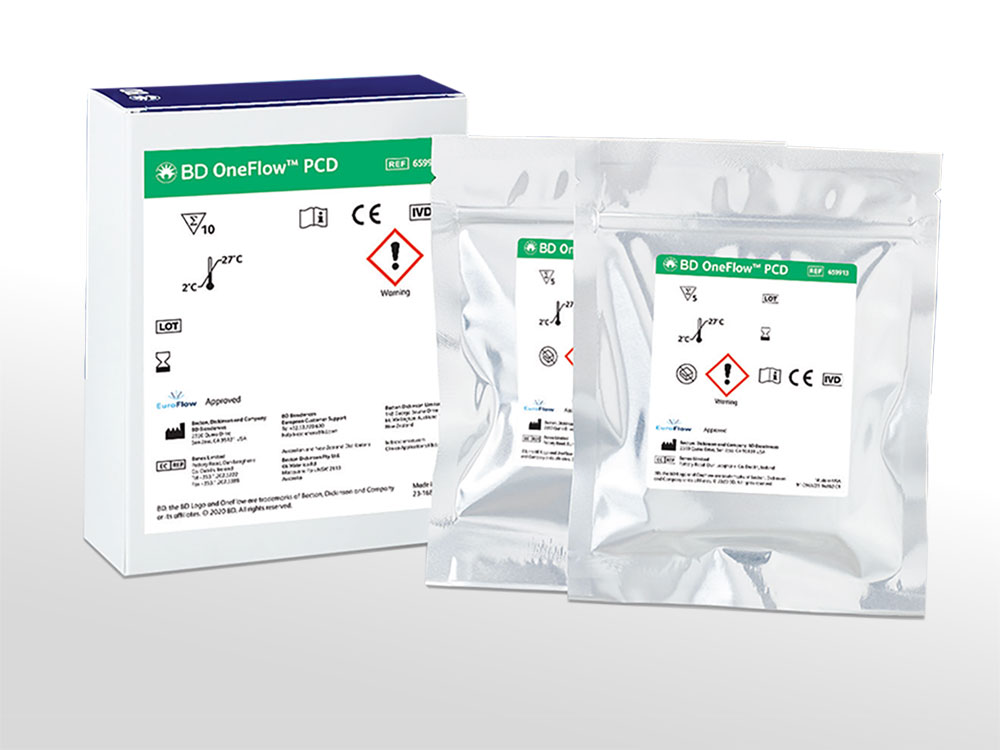
The BD OneFlow™ PCD Tube is part of the innovative BD OneFlow™ Solution, a comprehensive set of reagents, setup beads, protocols and assay templates to reproducibly set up the flow cytometer and stain, acquire and analyze patient specimens for immunophenotyping of normal and aberrant cell populations. It is built on the research and validation work of the EuroFlow™ Consortium on the characterization of hematological malignancies for improved accurate diagnosis.1*
The BD OneFlow™ PCD Tube, when run in parallel with the BD OneFlow™ Plasma Cell Screening Tube (PCST), is intended for flow cytometric immunophenotyping of normal and aberrant plasma cells in bone marrow as an aid in the diagnosis of multiple myeloma or other plasma cell disorders.
Other reagents belonging to the BD OneFlow™ Solution are BD OneFlow™ B-cell Chronic Lymphoproliferative Diseases Tube 1 (B-CLPD T1), BD OneFlow™ Plasma Cell Screening Tube (PCST), BD OneFlow™ Plasma Cell Disorders (PCD) Tube and BD OneFlow™ Acute Leukemia Orientation Tube (ALOT).
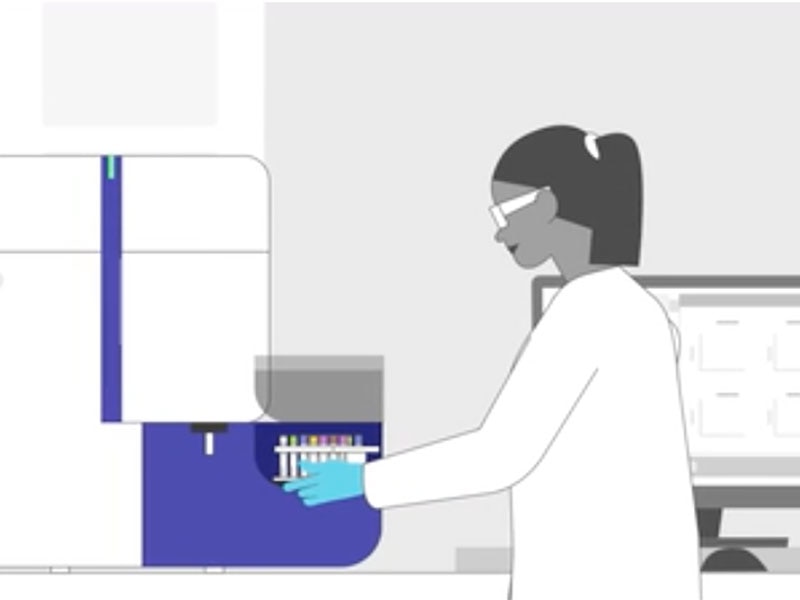
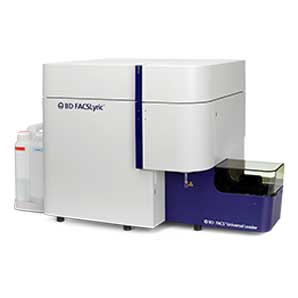
View video describing the BD OneFlow™ Solution on the BD FACSLyric™ Flow Cytometer.
View videos below describing how standardization, efficiency, accuracy and reproducibility can be achieved using the BD OneFlow™ Solution on the BD FACSCanto™ II Flow Cytometer.
FEATURES
For BD FACSLyric™ Flow Cytometer users:
For BD FACSCanto™ II Flow Cytometer users:
| Antibody | Fluorochrome | Clone | Target Populations |
|---|---|---|---|
| CD38 | FITC | HB7 | Backbone marker. Identification of plasma cells |
CD28 | PE | L293 | Identification of aberrant plasma cell populations |
| CD27 | PerCP-Cy 5.5 | L128 | Identificaiton of aberrant plasma cell populations |
| CD19 | PE-Cy 7 | SJ25-C1 | Backbone marker. Identification of plasma cells |
| CD117 | APC | 104D2 | Identificaiton of aberrant plasma cell populations |
| CD81 | APC-H7 | JS81 | Identificaiton of aberrant plasma cell populations |
| CD45 | BD Horizon V450 | 2D1 | Backbone marker. Identification of plasma cells |
| CD138 | BD Horizon™ 500-C | MI15 | Backbone marker. Identification of plasma cells |
The EuroFlow antibody panel article1* has a full description of the utility of the antibodies chosen for the BD OneFlow™ PCD Tube.
APPLICATIONS
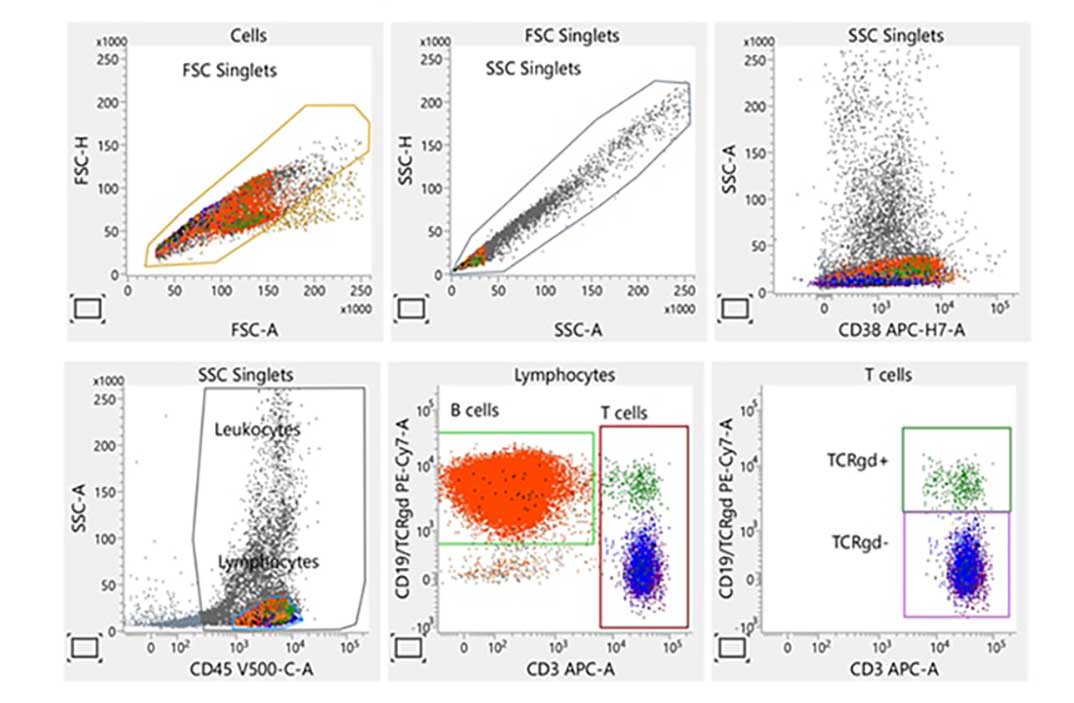
Laboratory report of a normal bone marrow specimen stained with the 8-color 12-antibody BD OneFlow™ LST single-test reagent acquired on the BD FACSLyric™ Flow Cytometer with BD FACSuite™ Clinical Application v1.4 for the identification of normal and aberrant mature lymphocyte populations of B, T and NK cell lineages.
Laboratory report of an abnormal bone marrow specimen stained with the 8-color 12-antibody BD OneFlow™ LST single-test reagent acquired on the BD FACSLyric™ Flow Cytometer with BD FACSuite™ Clinical Application v1.4 for the identification of normal and aberrant mature lymphocyte populations of B, T and NK cell lineages.
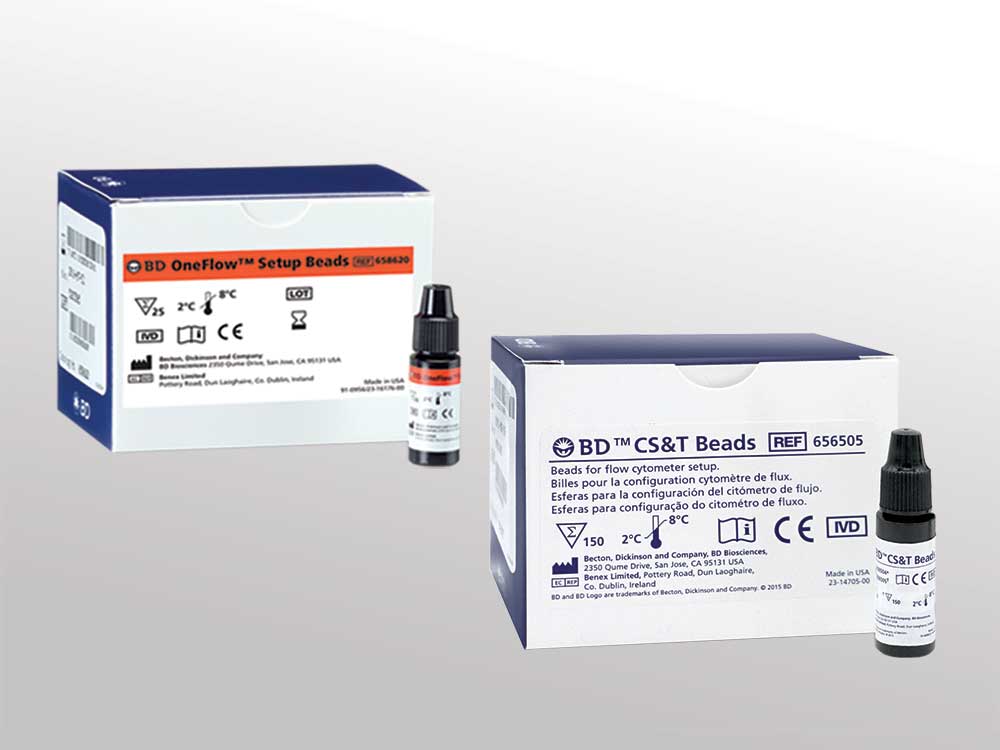
Periodic and daily setup
The EuroFlow “PCD panel was able to detect and fully characterize the immunophenotype of aberrant plasma cells or their normal/reactive counterparts in all the samples tested (100), as also assessed by routine diagnostic protocols performed in parallel.”1*
Standardization:
Reproducibility: